The aroma of fancy coffee, the gentle hum of background music, and a palpable sense of impending deadline—these are the sensory details that often accompany Father’s Day planning. If you find yourself staring into the abyss of endless Amazon listings, paralyzed by the impossible task of finding "the perfect gift," you are not alone. In fact, this feeling is so universal that it deserves its own annual category in emotional distress. The pressure to buy something meaningful enough—something that screams, “I see you”—can quickly turn a day meant for celebration into an Olympic-level endurance test.
But before the panic sets in, take a deep breath. Remember that appreciation isn't measured by dollar signs or novelty factor; it’s about thought, effort, and connection. This guide is designed to strip away the anxiety and give you actionable strategies for overcoming gift stress fathers day checklist tasks so that your focus remains on celebrating him, not surviving the shopping spree.
Understanding the Source of Gift Anxiety
Why does this specific holiday trigger such intense pressure? The root cause isn't the gift itself; it’s the weight of expectation we place upon it. We subconsciously treat the purchased item as a proxy for our relationship—as if a gadget or tie can magically encapsulate years of memories, shared laughter, and unwavering support.

This mental trap is misleading. Trying to fulfill an abstract emotional need with a tangible object is like trying to catch smoke in a net. It just doesn't work. Recognizing this underlying anxiety is the first step toward overcoming gift stress fathers day checklist feelings. Instead of asking, "What do I buy?" we must reframe the question: " How can I make him feel seen?"
Sometimes, the sheer volume of choices feels like being trapped in a sensory overload machine. It’s overwhelming, and it leads to decision fatigue—the kind that makes you want to just order gift cards for everyone involved. But there is always a more thoughtful path forward.
Deconstructing the Perfect Gift Myth: A Strategic Approach
If the pressure cooker of comparison is boiling over, we need a solid plan. Instead of starting with "gift ideas," start by building a "Experience Blueprint." This shifts your focus from consumption to connection.
Step 1: The Deep Dive Interview (Self-Correction)
The most valuable tool in tackling this stress? Information! Don't rely on past years’ gifts, which may or may not reflect his current interests. Instead, conduct a quick "interview" with him—or better yet, observe him!
Ask questions like:
- What hobby has he mentioned needing supplies for lately? Which mundane routine does he complain about needing to improve (e.g., back pain from sitting, messy garage)? If he had an extra two hours this week, how would he spend them?
This information is your cheat sheet. It allows you to move past generic items and target his real-life needs or hidden desires.
Step 2: Diversifying the Gift Portfolio
A truly stress-free gift strategy involves diversifying what "gift" means. It doesn't have to be an object purchased from a store. Think of your options like a Swiss Army knife—multiple tools for different jobs.
- The Time Gift: This is invaluable. Commit to doing something he genuinely enjoys but rarely has time for (e.g., taking him fishing, assembling the perfect dinner). The Service Gift: Does he hate cleaning out the gutters? Offer a full yard cleanup. These acts of service are often received with more gratitude than any material item. The Memory Gift: This is where anecdotes shine. Consider compiling a small book or photo display featuring memories and inside jokes. It costs time, not money, and its emotional yield is massive.
I remember one year when I was absolutely stumped by the pressure to find something high-tech for my dad. Instead of rushing to buy a smart watch he would never wear, I spent an afternoon gathering old family photos, printed them out, and put together a small scrapbook with handwritten notes from all his grandkids. It cost twenty dollars in paper and glue sticks, but it was the gift that made him tear up—a perfect reminder that overcoming gift stress fathers day checklist is less about buying things and more about remembering people.
Beyond the Buy: Focus on Sentiment Over Spend
When you are overwhelmed by what to buy, remember this quote: "The best gifts are those given with intention." This single phrase should act as your compass. Intention means that every item, no matter how small, is accompanied by a story or a specific thought about him.
If you feel yourself spiraling into gift-comparison paralysis ("Did Sarah get him the Kindle? Did Jim get him the golf membership?"), stop! Your goal isn't to match your friends’ spending; it's to connect with your dad.
Making the Purchase Feel Intentional
To make any purchase feel intentional, pair it with a handwritten card that explains why you chose it for him. If you buy a coffee grinder, don't just hand it over—say, "I saw this and immediately thought of how much you love your morning ritual." This narrative instantly elevates the gift from mere commodity to personalized tribute.
Are we spending so much energy worrying about the perfect item that we forget the simplest pleasures? Could the most meaningful thing actually be a shared meal or an hour of uninterrupted conversation?
Charting a Course for Last-Minute Calm
Let's face it: life happens. Traffic snarls, unexpected emergencies, and sudden realization that you forgot to buy anything are all part of the annual cycle. When the pressure is highest—the day before, maybe even on Father’s Day morning—it’s easy to feel like your whole plan has crumbled into dust.
This is when adopting a "Plan B" mindset becomes critical. If the grand gesture falls through, pivot quickly and graciously. A thoughtful brunch you prepared (even if it's just eggs and toast) combined with heartfelt conversation beats an expensive gift bought in a panic every single time.
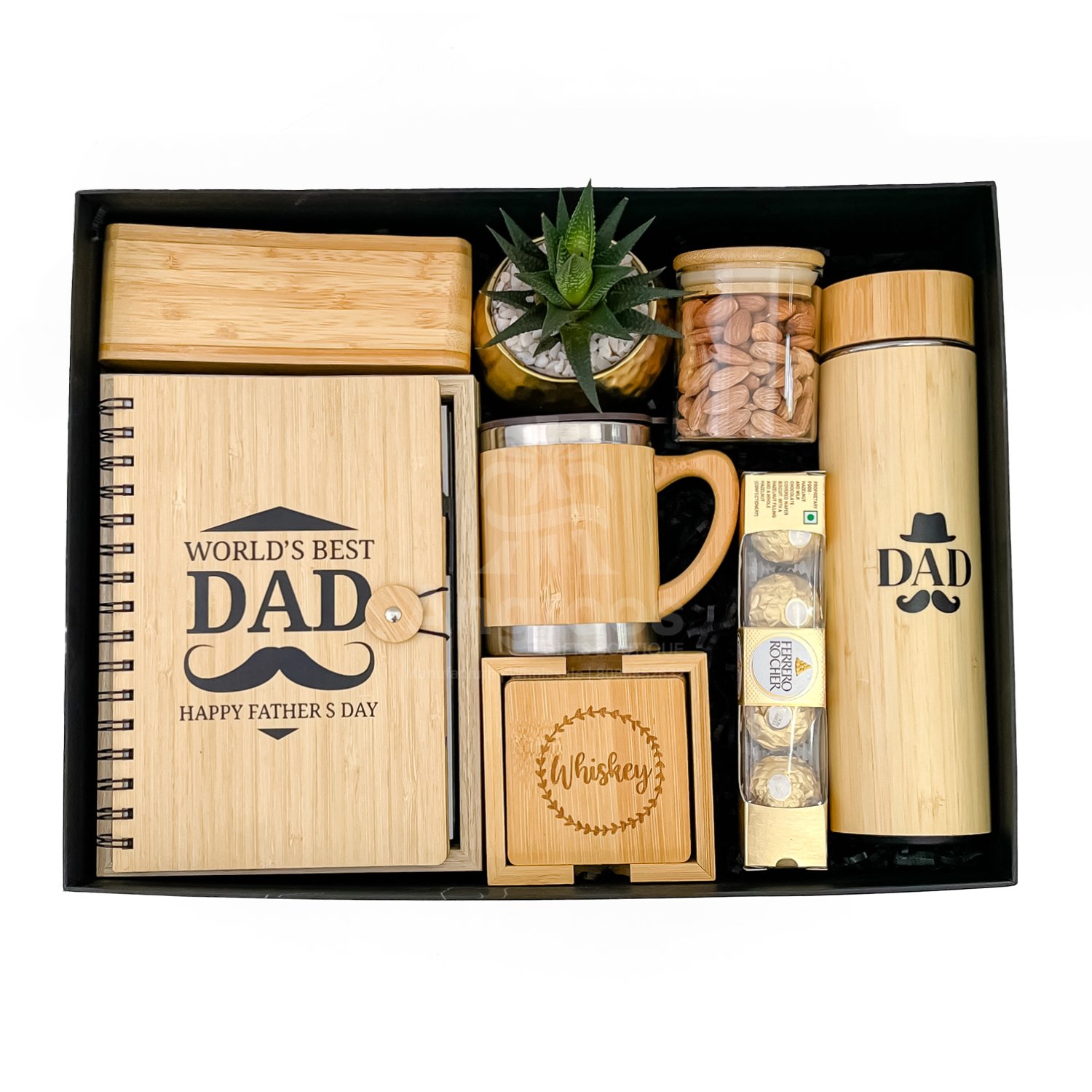
The key to truly overcoming gift stress fathers day checklist is Father's Day Gift Baskets for dads building emotional resilience alongside your shopping list. It means accepting that "perfect" doesn't exist, and therefore, you don't need it either. Instead, aim for "thoughtful," which is infinitely more achievable.
Building Legacies of Appreciation
As we move toward Father’s Day, let's reframe the entire concept of appreciation. It shouldn't feel like a one-day sprint culminating in a perfect purchase; it should be a continuous current of respect and acknowledgment. The stress surrounding this holiday is simply a reflection of how much we value the men in our lives.
To carry that sense of appreciation forward, start integrating small, low-stress gestures into your regular routine. A specific compliment on his work ethic, listening without distraction when he talks about his day, or preemptively taking care of a chore he usually handles—these acts are the true building blocks of connection. They don't require a receipt, and they certainly don't contribute to gift anxiety.
If you find that the annual stress cycle is becoming genuinely draining, consider scheduling dedicated "Appreciation Dates" throughout the year—not just one day. By spreading out your focus, you dismantle the pressure cooker effect and ensure that appreciation becomes a habit, not an emergency task list. Start by writing down three small, specific things you appreciate about him right now. This simple exercise is a powerful way to transition from consumer stress to genuine connection.